
While Michigan law does not automatically grant you the right to compel a partner to buy out your shares simply because you wish to exit, a refusal does not leave you without recourse.
If those holding controlling interests treat you unfairly, a court may step in to compel a buyout. Understanding how your specific legal structure shapes these options is crucial prior to taking action as the business relationship deteriorates.
Can You Force a Business Partner to Buy You Out in Michigan?
In most cases, no. Your right to a buyout comes from your operating agreement, buy-sell agreement, or shareholder agreement, and without one, Michigan law generally does not give you a standalone right to demand payment for your interest. The answer also depends on whether you own an LLC, a corporation, or a general partnership.
Simply refusing to purchase your share rarely meets the legal criteria for proving owner oppression under Michigan law. State oppression statutes target patterns of behavior or major actions that meaningfully impair your owner rights, whereas declining a buyout is typically considered a standard business decision rather than an inherent legal violation.
What Your Agreement Decides Before a Court Does
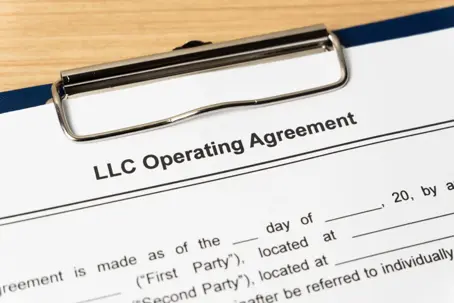
Courts treat your written agreements as the starting point, and conduct your agreement allows does not count as oppression under Michigan's LLC and corporate statutes. Reading yours closely before you act shows you how much leverage you hold. Look for these provisions:
- Buy-sell triggers, such as death, disability, divorce, or a voluntary exit, can start a required or optional purchase.
- Valuation terms set how the company is priced, whether by formula, appraisal, or an agreed value.
- Payment terms decide whether a buyout is paid in a lump sum or over time.
- Transfer restrictions limit whether and to whom you can sell your interest.
- Dispute resolution clauses can require mediation or arbitration before you file suit.
If your agreement is silent or outdated, the statutes fill the gaps. If no written agreement exists, your business structure and your partner's conduct carry more weight.
Options When a Partner Says "No"
But, what happens when a partner doesn't agree? There are options, but because each option involves distinct expenses, timelines, and potential risks, the order in which you pursue them is crtical.
Negotiate or Mediate a Buyout
A structured negotiation or mediation lets both sides set a price and a payment schedule without waiting for a judge. A neutral mediator can also lower the temperature when owners no longer speak directly. Willis Law attorneys prepare your position, including a valuation, before talks begin.
Sell Your Interest to an Outside Buyer
Your agreement controls whether you can sell to someone outside the business. Many agreements give partners a right of first refusal or require approval before an interest transfers.
In a multi-member LLC, Michigan's default rules give an outside buyer only the right to receive distributions unless the other members vote unanimously to admit the buyer, and your agreement can change this default. Our attorneys review the transfer terms and structure the sale to address this limit.
Pursue a Court Remedy for Oppression
Under the LLC statute, a member can sue when the managers or members in control act illegally, fraudulently, or in a willfully unfair and oppressive way. The corporate statute gives shareholders of closely held corporations a parallel claim against the directors or others in control, but not to shareholders of publicly traded companies. If a court finds grounds, the judge can order a purchase of your interest at fair value, along with other relief.
Seek Dissolution as a Last Resort
Dissolution ends the business instead of buying you out, so owners usually try other routes first. A circuit court can dissolve an LLC when the company cannot carry on business under its governing documents. A court can also dissolve a corporation when a deadlock among directors or shareholders leaves the corporation unable to function effectively.
A partner can end a partnership at will when no term was agreed, and a court can decree dissolution on grounds such as a partner's willful breach of the agreement.
Steps to Take Before You Escalate
Early choices shape your leverage, and a demand sent in frustration can limit your options later. Preparing first also shows a court or mediator you acted in good faith. Work through these steps in order:
- Gather your operating agreement, buy-sell agreement, formation documents, and any amendments.
- Document how you have been treated as an owner, including exclusion from decisions, changes to pay, and missed distributions.
- Request the company's financial statements and tax returns as an owner.
- Ask a qualified appraiser for an independent valuation of your interest.
- Speak with a business attorney before you send any demand or leave the company.
Timing matters in court. A damages claim under either oppression statute must start within three years after the claim accrues, or within two years after you learn of the claim or reasonably should have, whichever comes first. Waiting for a partner to change course can use up the window.
Talk to a Business Attorney at Willis Law
A partner's refusal feels personal, and the legal side adds pressure you did not ask for.
Willis Law serves business owners from small family companies to multimillion-dollar corporations. Our attorneys handle business formation, shareholder disputes, and partnership disputes under one roof. We read your agreements, explain where you stand, and map out your options before you commit to a course. Our law firm is here to help make your legal concerns our own and walk with you through the agreement review, the negotiation, and any court action.
Start with a clear picture of where you stand. Call (888) 461-7744 or contact us online for a free initial consultation.